Our Story

Yoder & Co. Salts of the Old World.

Rooted in a Mennonite heritage, we build our salts with the patience of the farm. This is the story of the family, the smokehouse, and the values that shaped every batch.

The Heritage

A farm built on purpose and season.

In the late 1800s and early 1900s, the farm produced nearly everything that came to the table. Crops were grown and processed, animals were raised and butchered, and nothing was wasted. Every season carried its own work.

The Smokehouse

Preservation, not a flavor trick.

The smokehouse was a working building, not a symbol. Smoke and salt were about survival. Meat was smoked slowly because it had to be, salted as a cure, not a flavor, and done with care to feed the family through winter.

The Livestock

Generations of careful work.

A line of prized Duroc Jersey hogs was carefully bred and widely sought after across the Midwest. Names like N.F.'s Pride and Orion Cherry Nell were part of the family history. These animals were treated with care and respect, and nothing about the process was rushed.
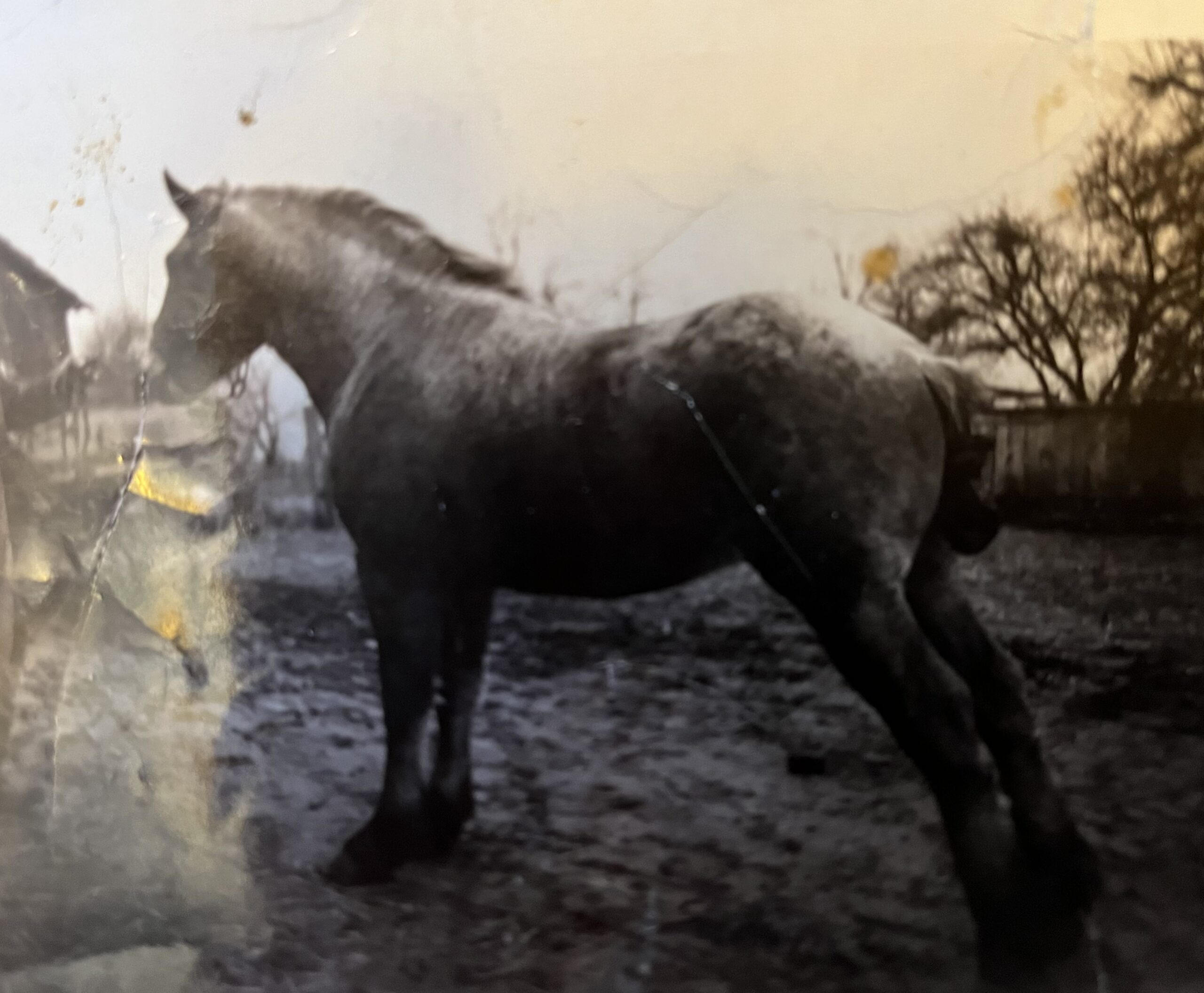
Selia, the Yoder farm horse

A culture carried in quiet ways.

Those values carried forward through seasonal routines and family traditions: apple butter over an open fire, canning vegetables with neighbors, and a pace that expected patience. I learned by watching and by understanding that shortcuts always cost something. Even the language of our Mennonite community, Pennsylvania Dutch, faded in my grandfather's generation, a reminder of how quickly culture can disappear.

The Founder

Gavin Yoder

Founder

Yoder & Co. was born to carry old-world values forward through the craft of cold smoking. The goal was never to recreate the past, but to honor the principles that made it work: patience, integrity, and respect for ingredients. Every batch reflects a way of working that believes good things take time and that some traditions are worth keeping alive.

Gavin Yoder
The History of Cold Smoking

A disciplined system of salt, time, and respect.

Cold smoking was never a shortcut. It was part of a larger preservation system built on patience, curing, and controlled airflow. Below is how the method evolved and why it still matters.

Old World Europe

Long before refrigeration, cold smoking emerged as a supporting step in a larger preservation system of salt, drying, and time, built to carry food through long winters.

Pre-industrial

In cooler regions, smokehouses evolved to keep heat low while allowing long exposure to clean smoke. The method spread through communities where salt and patience were part of daily life.

Old World Modern

As farms and rural trades matured, smokehouses were refined into dependable structures. Design was practical and proven by results, because failure spoiled a season’s work.

Modern

Cold smoking is no longer a necessity, but it endures as a heritage craft. Those who practice it now do so to preserve flavor, discipline, and the values that shaped it.